Garden Clearance in Mill Hill

Garden clearance in Mill Hill should feel straightforward, whether the space is overgrown, cluttered with cuttings, or ready for a full tidy-up before new planting. We clear green waste, bulky outdoor items and mixed garden debris with a practical approach that keeps the work moving and leaves the area ready for its next use. If you need a one-off clearance after a big cut-back, or support with an ongoing outdoor clean-up, our service is set up to handle the common jobs that build up in domestic and shared outside spaces.
The main aim is to remove what is no longer needed without turning the process into a major disruption. That can include branches, hedge trimmings, soil, turf, old pots, broken fencing sections and other garden items that are awkward to move. We also help with the sorting that often comes with outdoor clearances, so reusable or recyclable materials are separated where possible and the remaining waste is taken away in a tidy, organised way. Clear access, safe lifting and sensible loading all matter here, especially when items have been left in layers over time.
To request a quotation, share a simple description of what needs clearing and the sort of outdoor space involved. If you already know the scale of the work, that helps us match the visit to the job more accurately. See pricing and quotes for a useful starting point, or simply ask for a quote in plain terms and we will take it from there. For many customers, the next step is just a short conversation about what should stay and what should go.
What garden clearance can include
Garden clearance is often broader than a simple bag of green waste. In many properties, the work starts with cutting materials and then moves on to the heavier or more awkward pieces that sit behind sheds, along boundaries or under vegetation. We can clear seasonal cuttings, roots, old compost, damaged planters and general outdoor clutter. Where a space has been used for storage as well as gardening, the job may also involve separating tools, timber, plastics and mixed rubbish so the area can be dealt with in a controlled order rather than a rushed sweep.
For customers who want the area left usable rather than merely emptied, it helps to think about the intended finish before the work begins. Some gardens only need light clearance and removal of loose waste, while others need a deeper tidy because shrubs have spread, beds have become congested or access has narrowed. Typical points that influence the job include the amount of material, whether waste is loose or piled, how easy it is to reach the back of the garden, and whether items need careful carrying through a house, side path or communal space.
When you are ready to compare options, start with the main clearance type and build from there. If the job is mainly organic, green waste handling may be enough; if there are mixed outdoor items, a fuller load may be more appropriate. We plan the removal around the actual contents rather than forcing every garden into the same format, which is often the simplest way to keep the work sensible and well organised.
Garden waste, branches and overgrowth

Many clearances begin with garden waste alone, especially after pruning, mowing, hedge cutting or seasonal maintenance. Loose material can build up quickly, and once it is bagged, stacked or left in corners, the job becomes less about gardening and more about removal. We handle branches, leaves, grass cuttings, weeds and other organic waste that can be gathered from borders, lawns and hard surfaces. This is useful when you want the space cleared without needing to hire a larger general clearance for the whole property.
Overgrown areas may require a more careful method because access can be limited and the amount of waste can be uneven. In those cases, the work often benefits from a section-by-section approach so the garden is not disturbed more than necessary. Some areas may contain thorny growth, damp compost or heavier woody cuttings that need safer handling. The goal is to remove the waste efficiently while still keeping the remaining features of the garden intact, especially where there are paths, pots, ornaments or planted sections that should stay in place.
Our service is also useful where the garden has been left unattended for a while and the first step is simply to restore some order. That might mean taking away what has accumulated, reducing the visual clutter and allowing the space to be assessed properly afterwards. If you are planning a larger refresh, a garden clearance can be the first practical stage before any reworking, planting or hard landscaping decisions are made.
Bulky outdoor items and mixed rubbish
Not every outdoor clearance is pure green waste. Gardens often contain broken furniture, worn storage boxes, old toys, damaged plant supports and other mixed items that no longer belong in the space. We can clear these alongside the garden waste so the job is dealt with in one visit rather than split into multiple small tasks. That makes sense when the aim is to regain usable space quickly and avoid leaving awkward objects behind after the cuttings have gone.
Mixed outdoor rubbish usually needs more sorting than a simple green load. Wood, plastic, metal and general waste may all appear in the same area, and each may need different handling once removed. This is where a tidy, methodical process helps. We keep the clearance focused on the contents, not on unnecessary disturbance, which matters where items are spread around borders, tucked beside sheds or left in stacked piles after a period of outdoor use.
If your garden contains a combination of waste types, it can help to think in zones: what is organic, what is reusable, and what is simply ready to go. That makes quotation easier and helps avoid surprises on the day. For a wider removal that includes other household items as well as outdoor clutter, a waste removal option may suit properties where the garden is only one part of the overall clearance.
How the work is usually planned
A good garden clearance begins with a clear picture of what is present, how much of it needs to go, and whether the items are spread across one area or several. Photographs can be useful when the space is difficult to describe, especially if the garden is long, split-level or partly hidden. A short written summary also helps: note the main item types, any access considerations, and whether the work needs to be completed before other trades or gardeners arrive.
It is also worth checking how the material is stored. Loose piles, filled bags, tied bundles and stacked timber all affect how the job is loaded and carried away. If the space includes narrow side access, shared entryways or a long route to the vehicle, that may influence how the clearance is organised. Useful preparation is usually simple: identify what stays, what goes and any items that need to be handled separately. That makes it easier to give a realistic quotation and to keep the removal orderly.
For customers comparing services, a garden-specific clearance is often the cleanest answer when the main issue is outdoor waste rather than indoor contents. If the job is part of a bigger property tidy-up, a broader home clearance may be relevant as well, but the garden should still be described separately so the scope stays accurate.
Fencing, sheds and garden structures

Garden clearances sometimes include the materials that remain after repairs, dismantling or replacement work. Broken fence panels, old trellis, rotten timber offcuts and discarded shed contents can quickly make an outdoor area feel unfinished. We can remove these items as part of a clearance so the space is left cleaner and easier to use. Where structures have already been taken down, the remaining waste often needs careful stacking and loading rather than simple sweeping, especially if there are nails, splinters or mixed fixings involved.
Shed clear-outs tend to bring together a wide mix of objects, from garden tools and containers to loose timber, paint tins or long-forgotten household items. The exact contents vary, so the job is usually best approached with sorting in mind. Anything that needs to remain on site should be identified in advance, while the rest can be grouped for removal. This is particularly useful where the shed or outbuilding has become a catch-all storage area and the owner wants the surrounding garden made safe and usable again.
For outdoor buildings and attached clutter, a targeted garage clearance style of approach can sometimes be helpful if the space is storage-heavy rather than plant-heavy. The same careful principles apply: check the contents, separate anything to keep, and remove the rest in an organised way. That can save time and reduce the chance of leaving awkward mixed material behind.
Garden clearance for tidying and preparation
There are many reasons to clear a garden, and not all of them involve major works. Some customers want an outside space made presentable for guests, while others need it ready before landscapers, fence installers or planting work begins. A clearance can create a clean base for these next steps by removing the loose material that gets in the way of measuring, digging or access. In practical terms, that often means taking away the clutter first so the rest of the plan becomes easier to judge.
Where a garden has been used for storage, clearance can also reveal what the space actually contains. That is useful before a refresh because it shows which items are genuinely part of the garden and which are just temporary leftovers from past jobs. A tidy removal saves time later on and reduces the chance that useful space is lost under redundant materials. If there are several types of waste in one place, the clearance can be organised around the most efficient route for moving them out.
Useful outdoor clearance is not just about lifting and carrying; it is about leaving the space ready for whatever comes next. If you want to discuss a refresh, a one-off tidy or a mixed clearance, the easiest route is to ask for a quotation and explain the sort of finish you want. For repeated or larger-scale property work, house clearance may sit alongside the garden job, but the outdoor area can still be handled as its own distinct task.
About Mill Hill
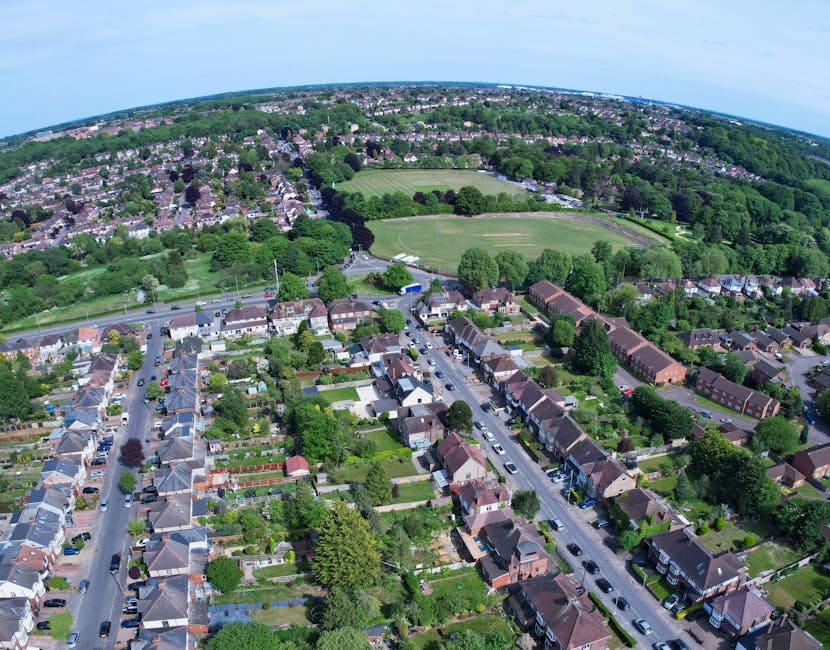
Mill Hill sits in the London Borough of Barnet and is known for combining suburban streets with pockets of older village character and open land. The area’s history is reflected in landmarks such as the former Mill Hill School site and the wider presence of traditional buildings around the old village core. Over time, the district has grown into a varied part of north-west London, with residential roads, local shopping parades and established community facilities spread across a landscape that includes tree-lined avenues and quieter back streets. The name itself is often associated with its elevated position, which helps explain the wider views and the sense of separation from denser inner-London streets.
One of the most distinctive green spaces is Totteridge Fields, a Site of Metropolitan Importance for Nature Conservation that lies close to the area and preserves open countryside character within the capital. Nearby, the Darlands Nature Reserve and the wider Dollis Brook corridor add to the mix of open space, watercourse and habitat that shapes local walking routes. Mill Hill also has a long-established railway presence, with Mill Hill East and Mill Hill Broadway connecting the area to central London and surrounding districts. The combination of transport links, open land and residential development gives the place a varied identity rather than a single uniform centre.
Architecturally, the area includes a mixture of period homes, interwar housing and more recent developments, with churches, schools and community buildings marking different phases of growth. In the wider setting, the presence of Hendon Wood Lane, Totteridge and other neighbouring localities shows how Mill Hill sits within a larger north London landscape of ridges, valleys and surviving green corridors. That mix of built form and open space has shaped the area’s character for generations, making it a place with both suburban convenience and recognisable historic texture.
Indoor and outdoor clearances together

Some customers need the garden cleared at the same time as other parts of the property. That might happen before a move, after a renovation or during a general tidy-up where several areas have become crowded with unwanted items. In those cases, it is worth separating the work clearly so each part is quoted and handled accurately. Outdoor waste can be heavier, wetter or more awkward than indoor clutter, so combining everything under one vague description is rarely the best route. A clear breakdown helps the job stay practical from the first load to the last.
Where the outdoor clearance is only one part of a broader removal, the order of work matters. It may be easier to clear the garden first if access is needed through it, or to deal with indoor items before moving on to the shed and boundary areas. The right sequence depends on how the property is arranged. We look at the actual route, the actual contents and the actual amount to be removed, because that is what keeps the clearance manageable and avoids unnecessary handling.
For properties with a mixture of rooms, lofts and outdoor spaces, a related service such as loft clearance may be useful where stored items need to come out before the garden can be finished properly. Keeping each part distinct makes it easier to plan, quote and complete the overall job without overlap or confusion.
Price factors and quotation details
The cost of a garden clearance is usually shaped by the volume and type of material, the ease of access and the amount of sorting involved. A pile of loose green waste is different from a mixed load that includes timber, broken outdoor furniture and heavy damp soil. Access also matters: a clear side path is simpler than a narrow route through the house or a shared passageway. If the work is straightforward, it may be easy to assess from a description alone; if not, a few additional details can make the quotation more accurate.
It also helps to mention whether the clearance needs to be completed in stages or whether everything is ready to go at once. Some gardens contain separate piles in different areas, which can take longer to move than a single collection point. If certain items are staying behind, they should be identified clearly so the clearance team does not remove anything by mistake. A concise, accurate description is usually better than a long list of guesses, because it keeps the quote relevant and avoids confusion.
If you want to move forward, the simplest next step is to ask for a quotation and describe the garden in plain language. You can mention the main item types, the size of the area and any access issues, then decide from there whether the work should be handled as a garden-only clearance or combined with a broader removal. A contact us page is the most direct place to start when you are ready to enquire.
Recycling, sorting and responsible removal

Once a garden clearance has been loaded, the next stage is dealing with the material in an orderly way. Different waste types should not be mixed unnecessarily, especially where green waste, timber, plastic and general rubbish are all present. That is why sorting matters before removal is complete. Branches and cuttings are often better handled separately from broken containers or mixed rubbish, and that separation helps keep the whole process more organised. It also gives customers a clearer sense that the job has been handled properly rather than simply tipped into one pile.
Responsible removal is not just about what leaves the site; it is also about making sensible decisions before loading begins. If certain items are reusable, recyclable or fit for a different type of disposal stream, they should be treated accordingly. Gardens often contain awkward combinations of natural and man-made materials, so a careful approach avoids treating every item the same way. For many customers, that structured handling is part of what makes a clearance feel complete, because it deals with both the visible mess and the practical aftercare.
To discuss a garden clearance in Mill Hill, tell us what needs removing and what the space is like to access. If you are comparing options, think first about whether the job is mainly green waste, mixed outdoor rubbish or a fuller property clearance. Then ask for a quotation in the way that suits you best. The important thing is to make the next step simple, so the garden can be cleared without delay or uncertainty.