Rubbish clearance NW7 estates and terraces: a practical guide for homes, landlords and busy households
If you live in NW7 and you are staring at a hallway full of bags, an overflowing shed, or old furniture that has somehow become part of the decor, you are not alone. Rubbish clearance NW7 estates and terraces is one of those jobs that looks simple from a distance, then gets awkward very quickly once stairs, narrow access, parking, and neighbour considerations enter the picture.
This guide breaks down how rubbish clearance works in estates and terraced streets across NW7, why it matters, what to expect on the day, and how to avoid the usual headaches. It is written for people who want the job done properly, without drama, and with a bit of common sense. Because honestly, who needs a half-finished clearance job hanging around for another week?
Why rubbish clearance in NW7 estates and terraces matters
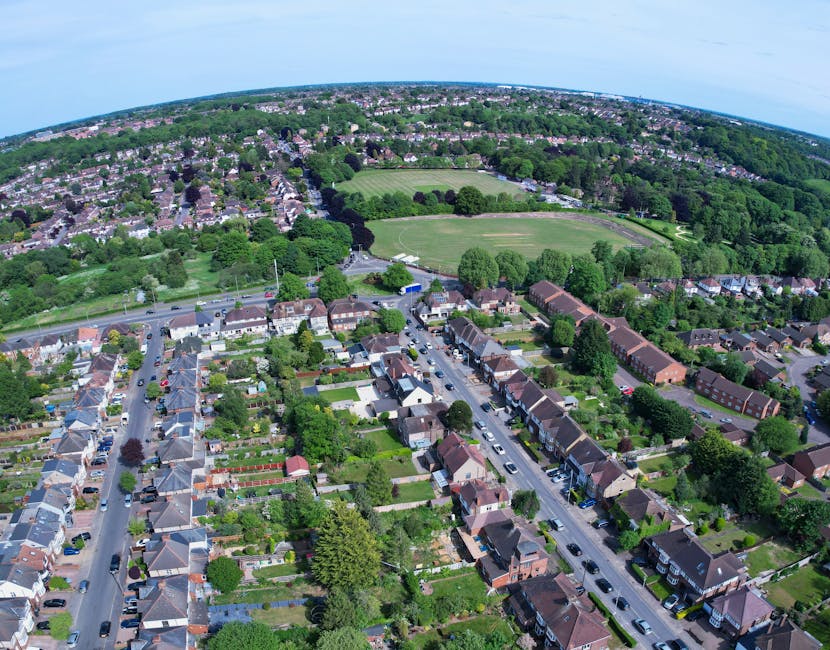
NW7 has its own rhythm. You get a mix of family homes, terraced streets, flats, maisonettes, and estates where access can be tight and the day-to-day reality is a bit less forgiving than a big driveway in the suburbs. That matters because rubbish clearance is never just about lifting items out of a property. It is about doing it safely, respecting shared spaces, and making sure the whole job fits the layout of the building.
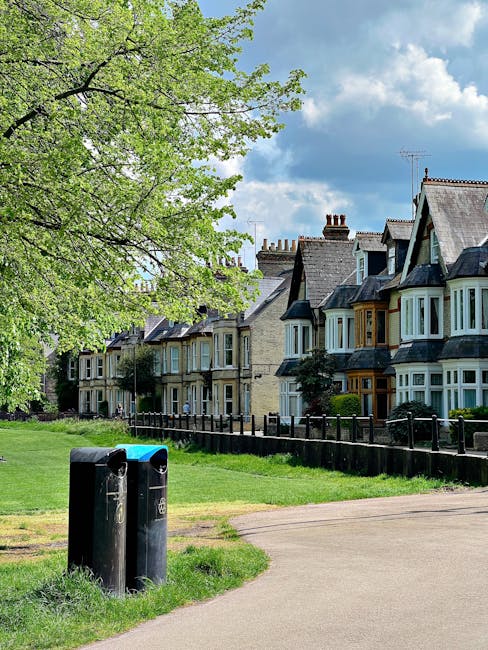
On estates, rubbish can build up in communal areas surprisingly fast: broken chairs, old mattresses, bags from a clear-out, garden cuttings, or bits left behind after a move. In terraces, the issue is often access. Front doors open straight onto the pavement, rear access may be shared, and a skip can be more hassle than help. The best clearance approach is the one that works with the property, not against it.
There is also the wider picture. Clutter can affect safety, fire routes, cleanliness and even neighbour relations. A pile of waste in a communal hallway or rear yard is not just untidy; it can become a real issue if it blocks access or attracts pests. You will notice this especially in tightly packed streets where one person's "I'll sort it later" becomes everyone's problem by Friday.
For landlords, managing agents and homeowners, timely clearance helps maintain standards and protects the property. For tenants, it can be the difference between leaving a place in good order and handing over a stressful mess. For families, it often means getting life back to normal after a move, a bereavement, a renovation, or a long-overdue declutter. Sometimes that is the real value: a bit of breathing room.
Practical summary: In estates and terraces, the best rubbish clearance is planned around access, neighbours, safety and disposal routes. A quick uplift is good; a well-managed uplift is better.
How rubbish clearance in NW7 estates and terraces works
Most clearance jobs follow a fairly simple pattern, but the details matter. In NW7, an efficient service usually starts with assessing what needs removing, where the items are located, and how easy it is to get them out. That can be a ground-floor terrace with rear access, or a top-floor flat with stairs and a tight landing. Very different jobs, same end goal.
First comes the initial discussion. You explain what needs to go: furniture, mixed household rubbish, loft clutter, garage contents, garden waste, builders' debris, or a full estate clear-out. Good operators will ask about volume, access, parking, and whether anything needs special handling. If you are unsure, taking a few photos can save time. Not glamorous, but practical.
Then comes scheduling. For estates, timing is often chosen to avoid busy school runs, peak parking pressure, or building management restrictions. For terraces, the timing can help minimise disruption to neighbours. If a team can arrive when the street is quieter, loading is usually smoother and less stressful. Sometimes that half-hour makes a huge difference.
On the day, the team removes agreed items, loads them safely, and separates recyclable materials where possible. Depending on the job, they may clear from a front room, rear yard, loft, garage, shed, or communal storage area. If you have items such as fridges, mattresses, bulky furniture or mixed waste, these are typically dealt with carefully rather than just thrown together. The aim is a clean handover, not a rushed sweep-through.
If the clearance includes things like old sofas or broken wardrobes, it may also make sense to explore furniture clearance or furniture disposal depending on whether you need a full removal or just a specific category of item. For larger property clear-outs, house clearance or home clearance may be a closer fit.
For some jobs, the challenge is not the waste itself but the type of waste. Renovation debris, offcuts and old fixtures often sit better under builders waste clearance. Office moves or business premises can benefit from business waste removal. Different waste, different method. That sounds obvious, yet it gets overlooked all the time.
Key benefits and practical advantages
There are the obvious benefits: the rubbish goes, the space comes back, and the place feels calmer. But in NW7 estates and terraces, the real advantages are a bit more specific.
- Less disruption in tight spaces: Clearance teams can work around narrow stairs, shared paths and limited parking without turning the job into a week-long saga.
- Safer communal areas: Removing waste from stairwells, landings and shared entrances helps reduce trip hazards and blockages.
- Better neighbour relations: A tidy, well-timed clearance is simply nicer for everyone living nearby.
- Faster turnaround: Compared with doing it yourself in several car trips, a coordinated clearance can save a lot of time.
- Improved recycling outcomes: Reusable and recyclable items can be separated more effectively than in a mixed, do-it-yourself pile.
There is also a less visible benefit: headspace. Clear spaces have a funny way of making decisions easier. Whether you are preparing for a sale, settling an estate, making room for a tenant, or finally tackling the garage, the psychological lift is real. A little dramatic? Maybe. But true.
If sustainability matters to you, it is worth asking how items are handled after collection. A responsible operator should be open about sorting, recycling and the route waste takes after it leaves your property. You can also look at a provider's approach to recycling and sustainability to understand their broader process. That way, you are not just getting rid of things; you are disposing of them more thoughtfully.
Who this is for and when it makes sense
This kind of clearance is useful for a surprisingly wide range of people. It is not only for major moves or dramatic before-and-after projects. Sometimes it is just about reclaiming one room at a time.
- Homeowners: If the loft, shed, garage or spare room has become the place where "things we might need later" go to live.
- Tenants: Especially at the end of a tenancy when you need to leave the property clear and presentable.
- Landlords and agents: For end-of-tenancy clearances, abandoned belongings, or preparing a property for re-let.
- Families sorting an inherited property: A sensitive situation where speed and care both matter.
- Estate and block managers: When communal waste or fly-tipping needs addressing promptly.
- Renovators and DIYers: If debris, old fittings or broken materials are piling up quicker than you can move them out.
It also makes sense when access is awkward. Terraced streets often have limited front loading space, and estate layouts can mean shared walkways, controlled parking or entry restrictions. In those situations, a planned clearance is often more efficient than hiring transport and hoping for the best. Let's face it, nobody enjoys carrying a broken wardrobe down a narrow stairwell twice because the first plan was a bit optimistic.
If you are working on a flat or maisonette, flat clearance may be the most relevant service. If the job includes more personal items, a broader loft clearance or garage clearance may be a better match. The right category helps set expectations from the beginning.
Step-by-step guidance
If you are planning rubbish clearance in NW7 estates or terraces, a little preparation goes a long way. Here is the practical version.
- Walk through the property and identify the waste. Separate what is going, what is staying, and what might need special handling.
- Check access. Note stairs, narrow halls, shared entrances, parking restrictions and any locked gates or doors.
- Group items by type. Furniture, general rubbish, garden waste and renovation debris are easier to handle when they are not all mixed together.
- Take photos if the job is large. This helps with planning and avoids surprises on the day.
- Confirm timing. Pick a slot that suits residents and neighbours, especially in busy estates or tightly parked terraces.
- Keep important items separate. Personal documents, keys, chargers, medications and sentimental bits should be checked twice. Then checked again.
- Arrange the clearance and stay reachable. If the team needs quick guidance, it helps to be available.
- Inspect the area afterwards. Check hallways, cupboards, under stairs, sheds and corners. Small items have a habit of hiding in plain sight.
A useful trick is to work from the edges inward. Start with the obvious bulky items, then move to bags, loose waste and smaller bits that tend to get missed. In a terrace house, this might mean clearing the back room, then the kitchen, then the yard. In an estate flat, it may be a hallway, storage cupboard and balcony in that order.
For a property that is being fully emptied, the sequence may blend into house clearance or home clearance. If the clear-out also includes construction waste, think in terms of builders waste clearance rather than general rubbish alone.
Expert tips for better results
A few small choices make a big difference. In our experience, the smoothest clearances are rarely the ones with the fanciest equipment. They are the ones with clear planning and honest communication.
Be specific about access. Mention basement steps, split-level layouts, high-rise lifts, locked bins stores, or shared courtyards. If a clearance team knows where the pinch points are, they can bring the right people and tools. Simple, but it saves time.
Label what should not go. In family homes and shared properties, use tape or notes on anything staying behind. That reduces the risk of accidental removal. It sounds basic because it is basic, yet basic things are the ones that rescue a job.
Think in zones. If your terrace has a front reception room, back kitchen, loft and yard, tackle one zone at a time. It feels less overwhelming and makes the skip-free approach more manageable.
Keep a recycling pile separate. Metal, clean cardboard and some furniture components may be easier to handle when separated. You do not need to over-engineer it, just avoid mixing everything into one sad mountain.
Ask about insurance and safety. If the team will be lifting heavy items through communal areas or up and down stairs, that matters. A professional approach should include care for walls, flooring and the people on site. If you want reassurance on that front, a page such as insurance and safety is worth reviewing before you book.
Plan around neighbours. A polite clearance is a better clearance. Morning noise, shared access, doorway congestion and parking on narrow streets all deserve a bit of thought. It makes the job feel calmer for everyone involved.
Common mistakes to avoid
Most problems with rubbish clearance are avoidable. The annoying part is that they are usually obvious in hindsight.
- Underestimating volume: Bags and bulky items multiply fast, especially when you start sorting lofts or cupboards.
- Forgetting access details: A van cannot magically appear inside a gated estate or through a narrow passage.
- Mixing special items with general waste: Fridges, certain electricals, paint tins and other items may need separate handling.
- Leaving it too late: End-of-tenancy or moving-day clearances become stressful when booked at the last minute.
- Assuming everything can go together: Different waste types often follow different disposal routes.
- Not checking communal rules: Estate managers may have preferred loading times, parking arrangements or access procedures.
Another common mistake is rushing the decision to use a skip when a clearance service would be simpler. On terraces, a skip can block access and create complaints. In estates, it can be awkward or impossible to place. That is where a direct waste collection service often makes far more sense.
And one more thing: do not leave a job half-organised because you ran out of steam halfway through. We have all done it. The shed door stays open, the bags sit there in a guilty-looking pile, and then three days later it is still the same scene. Not ideal.
Tools, resources and recommendations
You do not need a garage full of specialist equipment to prepare for clearance, but a few simple tools help a lot.
- Heavy-duty bin bags: Useful for mixed rubbish, soft items and smaller clutter.
- Labels or masking tape: Helpful for marking what should stay and what should go.
- Gloves: Good for dusty lofts, sheds, or old storage areas.
- A torch: Handy for checking corners, cupboards, under stairs and loft spaces.
- Phone camera: Great for taking a quick inventory before booking.
- Trolley or sacks: Useful in larger properties where items need moving to one collection point.
For recommendation, the most practical approach is to start with the service that matches the biggest part of the job. If it is mostly furniture, go with furniture-related clearance. If it is a full property, home or house clearance may fit better. If it is an office, business waste removal is usually the right starting point. If you are unsure, a provider can normally help you decide without overcomplicating it.
For the pricing side of things, a dedicated pricing and quotes page is useful because it sets expectations early. Clear pricing guidance is especially helpful when you are dealing with estates and terraces, where access can influence the time and labour needed.
Law, compliance, standards and best practice
This is the part people often skip until something goes wrong. In the UK, waste should be handled responsibly, and anyone removing it should take care to dispose of it through legitimate routes. If you are hiring a service, it is sensible to choose one that treats duty of care seriously and can explain how waste is managed.
For estate and terrace properties, best practice also includes access control, protection of shared spaces and careful handling of common areas. That means avoiding damage to stair rails, keeping doors clear, not blocking fire routes, and making sure the collection point does not create a nuisance for neighbours. These are practical standards, not just nice-to-haves.
If the waste includes potentially sensitive material, such as paperwork or items from a business premises, it is worth being especially careful about segregation and disposal. For mixed business jobs, business waste removal is often more appropriate than a general clear-out. For a household job, general waste removal remains the main category, but the principle is the same: sort properly and dispose responsibly.
It is also wise to understand the company's terms and conditions before booking. That is where the details on access, cancellations, item categories and site conditions usually sit. If you want a clear picture of how a service is structured, the terms and conditions page can be a useful reference point.
To be fair, most people just want the mess gone and do not want a lecture on process. Fair enough. Still, a little attention to compliance and best practice protects you, the neighbours and the property. Quietly useful, that.
Options, methods and comparison table
There are a few different ways to deal with unwanted waste in NW7 estates and terraces. The right one depends on volume, access, urgency and the type of items involved.
| Method | Best for | Strengths | Limitations |
|---|---|---|---|
| General rubbish clearance | Mixed household waste, clutter, bags, small furniture | Flexible, quick, suitable for tight access | May not suit specialist waste types |
| House or home clearance | Full or partial property clear-outs | Good for bigger jobs and room-by-room planning | May be more than needed for a small load |
| Flat clearance | Maisonettes, flats, apartments, estate homes | Suited to stairs, shared entrances and limited parking | May require careful timing and access planning |
| Garage or loft clearance | Storage areas packed with forgotten items | Targets hidden clutter efficiently | Can take longer if items need sorting first |
| Builders waste clearance | DIY debris, renovation leftovers, rubble-related material | Handles heavier and more awkward waste streams | Not ideal for ordinary household items alone |
If you are deciding between methods, ask yourself one simple question: what is the biggest problem, not the smallest one? If the answer is access, choose the method that handles access well. If the answer is volume, choose the method that handles volume well. If the answer is a mix of both, then a flexible clearance service is usually the sensible route.
Case study or real-world example
Here is a realistic example, without pretending it is some glossy before-and-after advert. A family in an NW7 terraced house had been using the rear room and loft as storage for years. Old wardrobes, a broken cot, a box of mixed household clutter, a few bags of garden waste from the yard, and enough random cables to probably wire a small spacecraft. Nothing dramatic on its own. Together, it had become a bit much.
The main challenge was access. The front room opened straight onto a narrow street, the back passage was tight, and the loft hatch was in an awkward spot. The sensible approach was to separate items first, keep anything personal aside, and clear the bulky furniture before moving to smaller bags and boxes. The work went more smoothly because the team knew where the pinch points were and the household had already sorted what could stay.
By the end, the rooms felt different. Not just empty, but calmer. The air moved again. The floorboards were visible. The house looked like a home instead of a staging area for forgotten things. That is usually the moment people realise the job was never only about rubbish. It was about making the space useful again.
In a nearby estate flat, the pattern can be slightly different. Shared corridors, lift booking, resident management, and parking controls all shape the clearance plan. The exact same principle still applies: plan access, remove waste safely, and leave the communal areas tidy. Nothing fancy. Just good practice.
Practical checklist
Use this checklist before your rubbish clearance appointment in NW7 estates or terraces.
- Identify exactly what needs removing.
- Separate keep, donate, recycle and dispose items.
- Check stairs, door widths, lifts, gates and parking access.
- Tell the provider about any heavy, fragile or awkward items.
- Make sure personal belongings are removed first.
- Confirm timing that suits neighbours and building rules.
- Keep pathways and entrances as clear as possible.
- Ask about recycling and how waste is handled afterwards.
- Review any relevant terms before booking.
- Take a final walk-through when the job is complete.
If you want a simple rule of thumb, here it is: the better the preparation, the faster and calmer the clearance. That is the truth of it.
Conclusion
Rubbish clearance in NW7 estates and terraces is not just a matter of lifting waste and driving away. It is about understanding the property layout, working respectfully in shared spaces, and choosing the right approach for the type of rubbish involved. When it is handled well, the payoff is immediate: cleaner rooms, safer access, less stress and a space that feels usable again.
Whether you are clearing a flat, a terrace, a loft, a garage or a whole property, the best results come from a clear plan and a practical mindset. Keep access in mind, sort items properly, and choose a service that values safety, recycling and straightforward communication. Small details matter here. Quite a lot, actually.
If your job involves broader property clearing, take a look at home clearance, house clearance, or waste removal for a better fit. And if you want to understand the people behind the service, about us is a good place to start.
Get a free quote today and see how much you can save.
When the clutter is finally gone, the place can breathe again. That feeling is worth a lot.
Frequently Asked Questions
What is rubbish clearance in NW7 estates and terraces?
It is the removal of unwanted household, bulky or mixed waste from properties in NW7, with extra attention paid to access, parking, shared spaces and stairways common to estates and terraced streets.
Is rubbish clearance better than hiring a skip for a terrace house?
Often, yes. Terraces usually have limited space for a skip and access can be awkward. A clearance service is usually easier because the waste is collected directly without needing long-term street space.
How do I prepare for a clearance in a flat or estate property?
Separate items into keep and remove piles, check lift or stair access, clear the route to the items, and let the provider know about any restrictions or especially heavy pieces.
Can mixed household rubbish and furniture be removed together?
Usually, yes. Mixed loads are common, but it helps to mention the item types in advance so the team can plan the right vehicle, labour and handling approach.
What happens to items after they are collected?
They are typically sorted for reuse, recycling or disposal depending on the item and condition. A responsible service should aim to divert as much as practical away from landfill routes.
How long does a typical rubbish clearance take?
It depends on volume, access and the type of waste. A small clear-out may be fairly quick, while a full property or awkward loft job naturally takes longer.
Do I need to be at the property during the clearance?
Not always, but it helps for the initial walk-through and to answer questions if anything unexpected is found. Some people prefer to stay, others prefer to hand over the keys and get on with their day.
What if the rubbish is in a loft or garage?
That is very common. Loft and garage spaces often need extra sorting because they tend to contain a mix of forgotten items, storage boxes, old furniture and general clutter.
How do I know if I need house clearance instead of rubbish clearance?
If the job involves most rooms, a full move-out, or a large volume of household contents, house clearance may be the better fit. If it is a smaller or more targeted job, rubbish clearance is often enough.
Are there any safety concerns in estates and terraces?
Yes. Shared entrances, narrow stairs, fire routes and neighbouring properties all need care. Safe lifting, clear walkways and proper planning are important, especially in older or tighter buildings.
Can builders' debris be included with household waste?
Sometimes it can be handled in the same visit, but builders' debris often needs a different approach from normal household rubbish. It is best to say exactly what you have so the service can advise properly.
Where can I check pricing or book a clearance?
You can review pricing and quotes and then use contact us if you are ready to discuss the job. A quick conversation usually clears up the details fast.